
Roof Inspection in the USA
Our technicians begin every Roof Inspection by entering the attic and scanning ceiling surfaces for discoloration. They follow any damp trails upward along rafter edges to locate entry points where water has traveled from the roof deck.
Exterior work starts at the eaves and moves upslope. Each row of shingles is lifted slightly to check for granule loss, cracked tabs, and nail pops that allow water to reach the underlayment and sheathing below. Rafter checks reveal hidden rot caused by past leaks that Top Notch Matthews Roofing corrects via roof inspection throughout the USA.
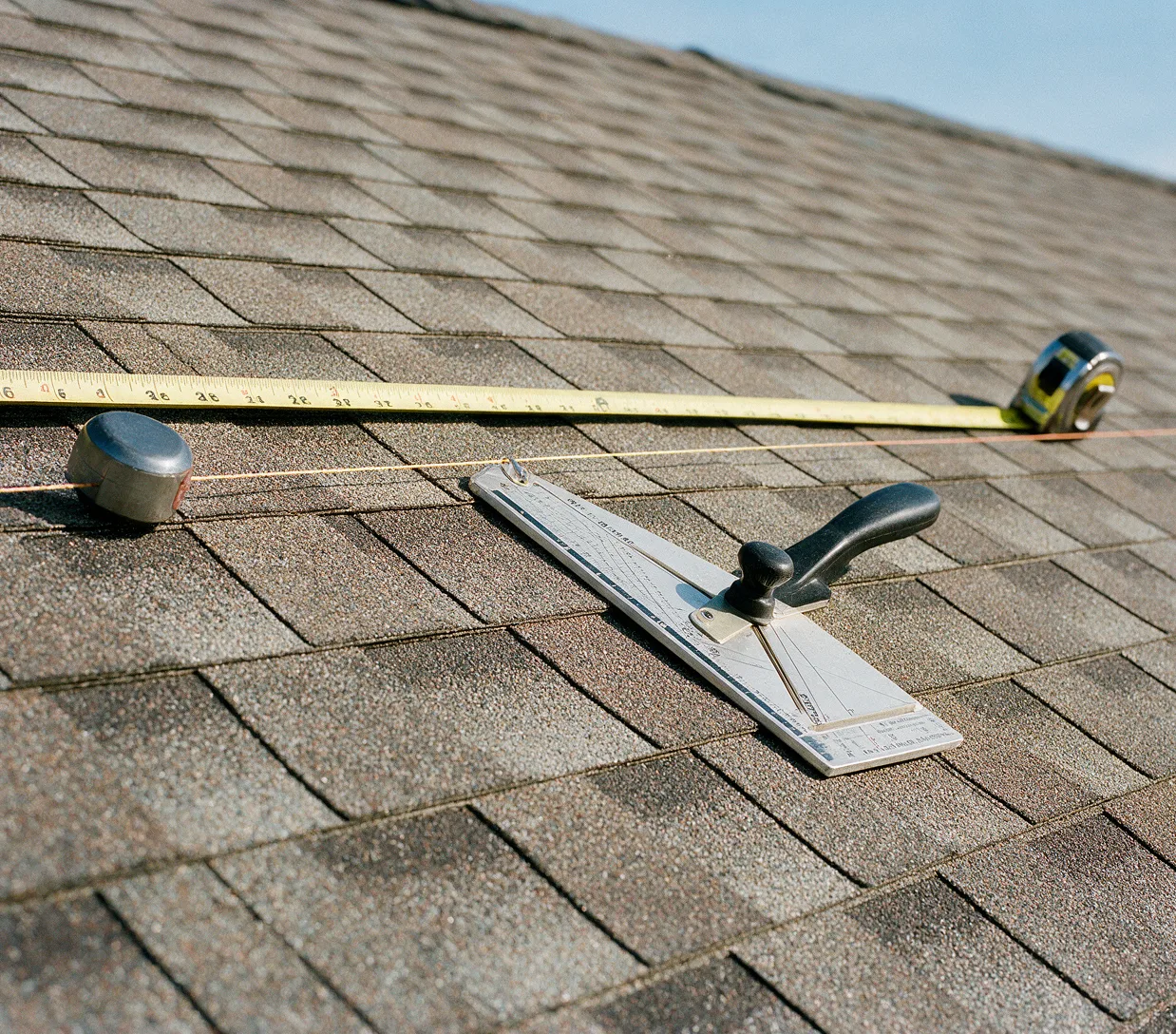
Visible Indicators of Roof Issues
- Dark streaks on ceiling drywall near light fixtures
- Sagging sections in attic insulation above exterior walls
- Granule accumulation in gutters after moderate rain
- Daylight visible through roof deck gaps from inside
- Rusted nail heads protruding through shingle surfaces
Attic and Interior Assessment
Technicians measure moisture content in sheathing and rafters using a pin meter. Readings above 18 percent indicate active intrusion that has traveled from a compromised seam or boot down the slope.
They document the path of any water by noting stain edges on felt paper and the direction it followed along truss plates. This mapping shows whether the source sits directly above or several feet upslope.
Homeowners should first place a dry towel under any visible ceiling mark and photograph its exact location and size before the inspection begins.
Flashing and Penetration Checks
Every step flashing joint around chimneys is probed for sealant failure. Technicians lift the counter flashing to inspect the step pieces for corrosion that has allowed water to wick under the shingles.
Plumbing vents and exhaust boots receive torque testing. Loose collars permit water to travel down the pipe and pool on the decking where it spreads laterally along nail lines.
Skylight curbs are examined for cracked glazing tape and lifted corners that channel water into the rough opening and then along the rafter bays.
Surface and Underlayment Evaluation
Shingle condition is assessed row by row for thermal splitting and cupping. These defects create pathways where wind-driven rain reaches the synthetic underlayment and travels downslope.
Ridge vents are opened to check for missing screen material that would otherwise block debris while allowing water entry during heavy storms.
Valleys receive special attention because leaf accumulation there masks small holes in the metal that let water run under adjacent shingles.
Findings and Repair Pathways
After the inspection Top Notch Matthews Roofing provides a written diagram showing each defect and the route water has followed. Homeowners receive options for targeted flashing replacement or full section overlay based on the extent of deck damage.
When underlayment is saturated, technicians explain the sequence of shingle removal, new synthetic felt installation, and integration with existing courses to restore slope continuity.
Minor boot or sealant work can be completed the same visit if access allows, while larger deck repairs require scheduling material delivery and crew coordination.
Roof Inspection questions
How long does a Roof Inspection take?
Most single-story homes require two hours for attic mapping, exterior slope walk, and measurement of all penetrations. Two-story or complex rooflines extend the time by thirty minutes because technicians must trace additional valley and dormer transitions.
What tools do technicians use during inspection?
A moisture meter records readings at penetration points. A magnetic compass identifies slope direction to predict water travel. A telescoping mirror allows viewing of step flashing behind chimneys without disturbing shingles.
Can homeowners stay in the attic during inspection?
Yes, provided they remain on the platform. Technicians point out each stain edge and explain how water moved from the roof deck down the rafter to that location so the homeowner understands the source path.
What happens after the inspection report is delivered?
Top Notch Matthews Roofing lists every defect by slope quadrant and notes whether repair involves sealant, new flashing, or deck replacement. Homeowners receive material specifications for each option so they can compare scope and sequence.
Schedule Roof Inspection
Contact Top Notch Matthews Roofing to arrange a Roof Inspection that traces every water path from attic to ridge.